Photo credit
Image courtesy of © Royal Colombo Golf ClubIn depth · club history
Royal Colombo Golf Club: golf on the Ridgeway Links since 1879
From a patch of Galle Face Green shared with cricketers to a royal title in 1928, the story of Sri Lanka’s Royal Colombo is the story of golf coming to Ceylon.
By the ULTIMATE Golf Editorial Team
Golf comes to Ceylon
In 1879 a handful of British expatriates decided that it was time to introduce golf to a small colony called Ceylon. The game arrived alongside horse racing, polo, cricket, football, hockey and rugby, all of which were first played on Galle Face Green, the open ground beside the sea in Colombo.
The British were recognised for their skills in organised sports, and it inevitably spread throughout Ceylon. The first golfers had no course of their own, and made do with what the green allowed.
It was there, sharing the turf with cricket and rugby enthusiasts, that the club was inaugurated without a clubhouse or a proper golf course. After the first year, its members met to elect a committee and create a set of rules to handle the affairs of the club. That first annual general meeting took place on the afternoon of Saturday 13 March 1880, at the Colombo Club.
Edward Aitken, founder of Aitken Spence, led the meeting from the chair, and R. L. M. Brown became the first honorary secretary. W. Law was the first chairman and captain, and the committee consisted of W. Somerville, F. A. Fairlie and R. Webster.
The move to Borella
Membership grew quickly, and Galle Face Green was becoming more and more crowded. The solution came from an unlikely quarter. Sir Charles Henry de Soysa, a Ceylonese philanthropist, had set up a farm called the Alfred Model Farm to create a centre of excellence in agriculture and animal husbandry. The farm never took off, and he gifted the land to the colonial government.
The Governor of the day was himself a golfer, and the club’s request for a separate ground fell on sympathetic ears. In July 1896 the Model Farm was officially converted to the Colombo Golf Club, and the new links were named the Ridgeway Links after the Governor who opened them.
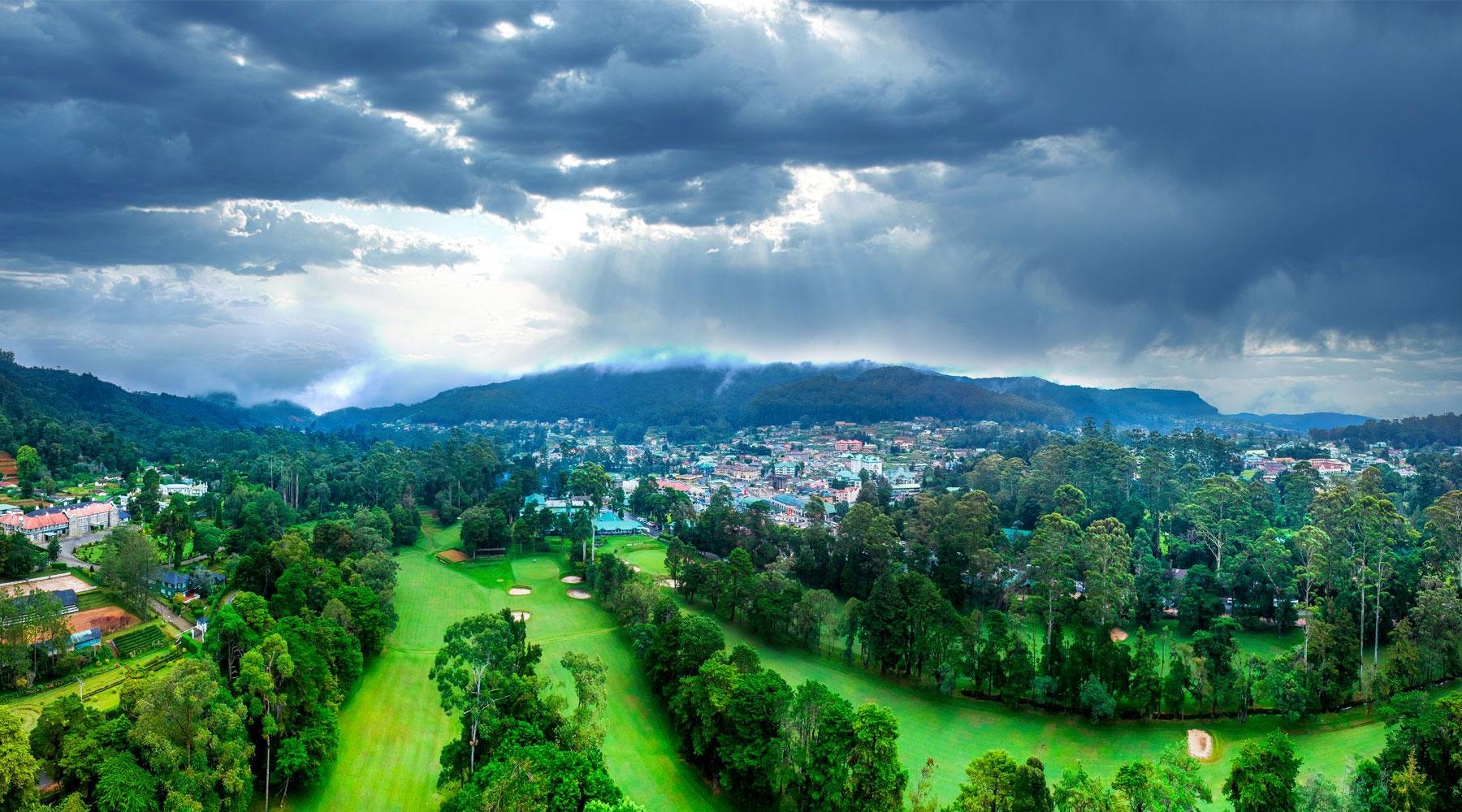
The links lie in the middle of the city, set in green space on Model Farm Road in Colombo 8, and the ground is also known as the Anderson Golf Course. The course has 18 holes over 6,560 yards.
A royal charter and a wartime secret
In 1928 King George V bestowed upon the club the privilege of using the prefix “Royal”, and the Colombo Golf Club became the Royal Colombo Golf Club. By then it already held a prize with a long pedigree: the Calcutta Golf Club had presented a silver medal in 1888, and the Calcutta Medal is still a permanent challenge contested at the club.
A competitive trophy of the club dates back to 1887, and the club’s rivalry with the hill-country game is almost as old: in 1902 a challenge cup, the Burdett Trophy, was presented for an annual contest between teams of Colombo and Up-country players, with matches played at Nuwara Eliya as well as in Colombo.
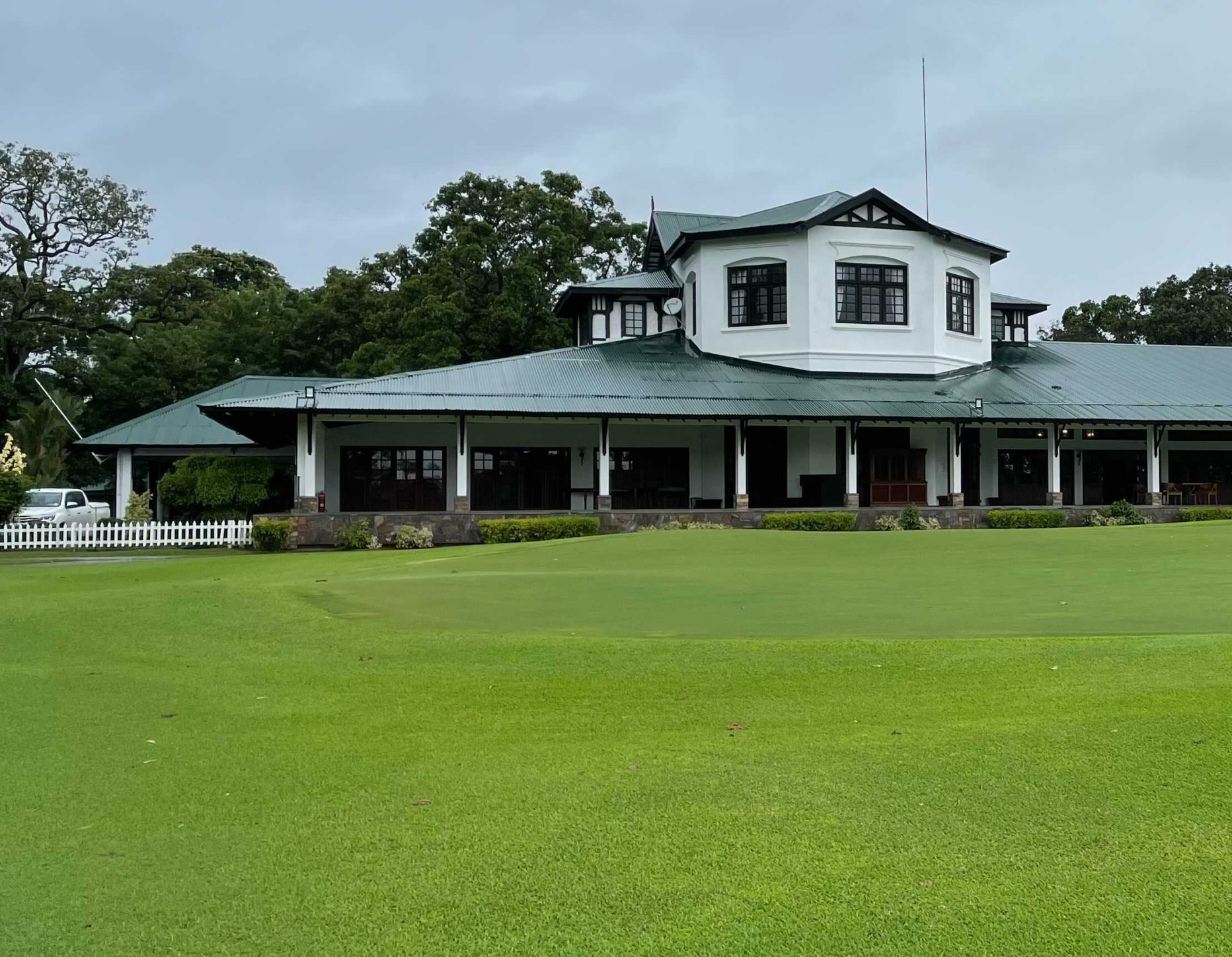
Originally membership was limited to British and European members, but in 1936 it was extended to the Ceylonese. During the Second World War the clubhouse and links were used by the Royal Navy code breakers of the Far East Combined Bureau and were known as HMS Anderson.
Today the club is home to the Sri Lanka Golf Union, the governing body of the game in the country, and keeps its links with the Royal and Ancient Golf Club of St Andrews.
Our advice: contact the club ahead of your visit about tee times and visitor rules, dress properly for golf, and play early, because the heat and humidity build quickly through the day.
Play it: Royal Colombo Golf Club: the course, visitors and how to book →
Sources
Checked 2026-11-14. Every fact here comes from a source above; where sources disagree on a date or a name, we leave it out.
More club histories
All histories →
Real Club Valderrama
A Robert Trent Jones Sr course on the Andalusian coast that was rebuilt in the 1980s and became the setting for Europe’s 1997 Ryder Cup.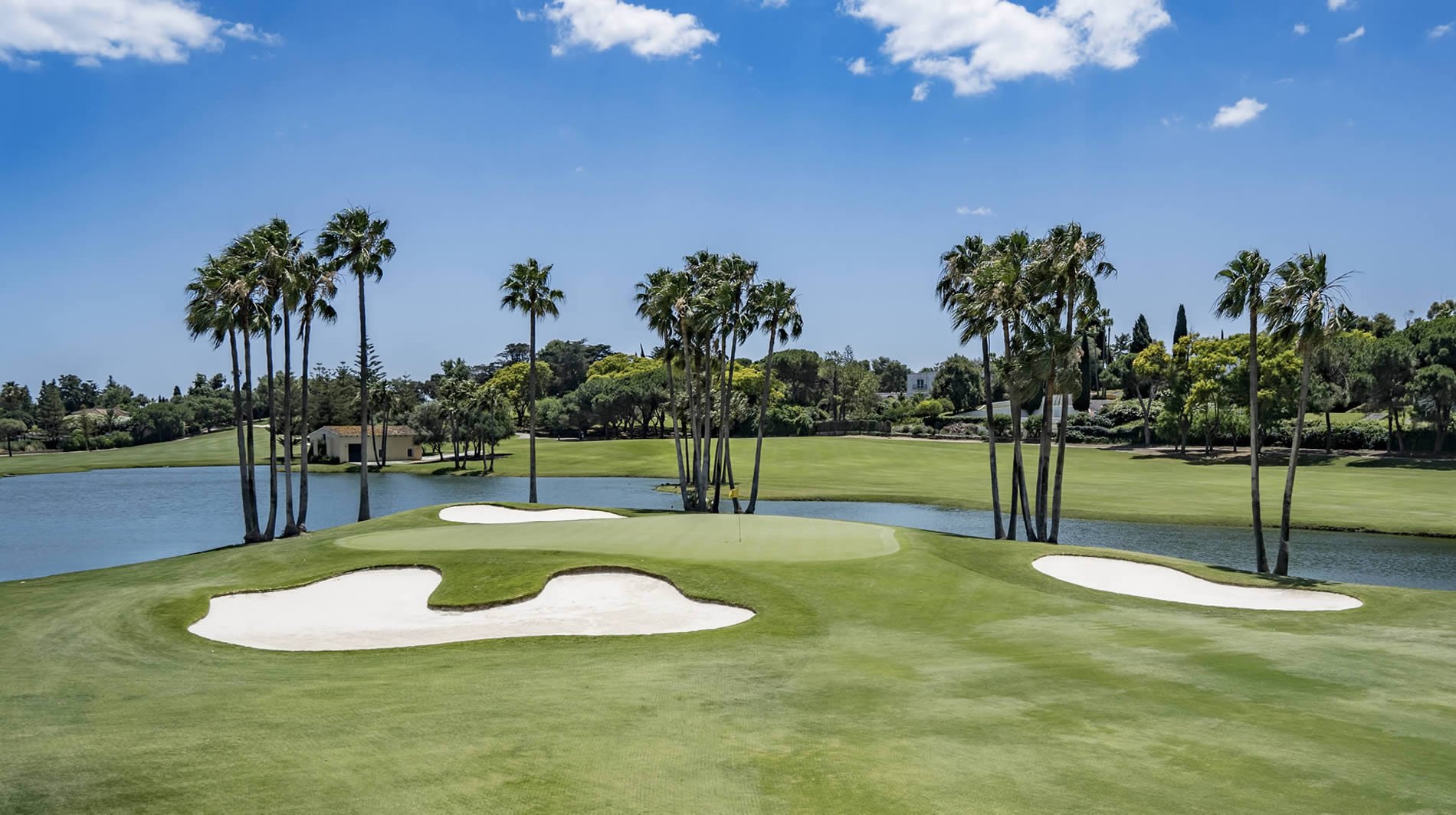
Real Club de Golf Sotogrande
Opened in 1964 as the heart of a new residential estate, Sotogrande was Robert Trent Jones’s first European course.